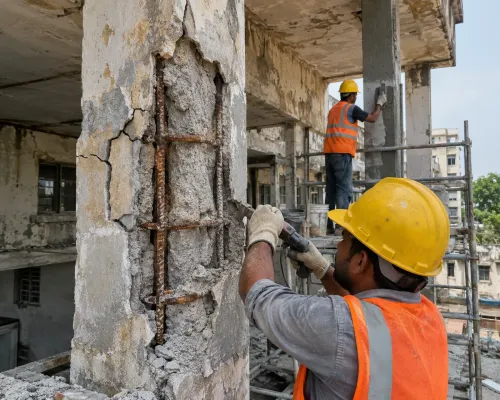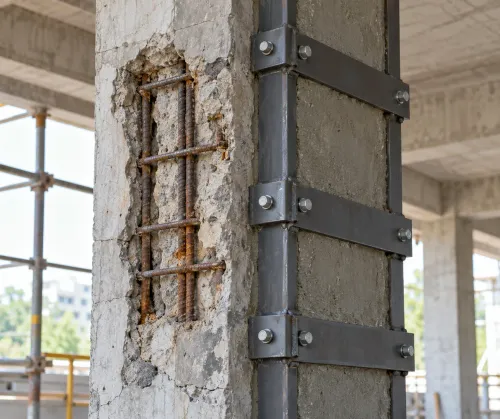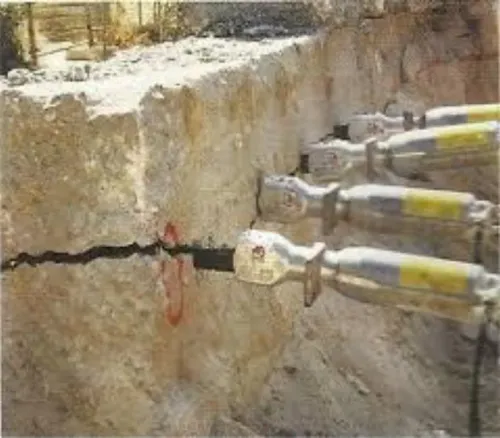
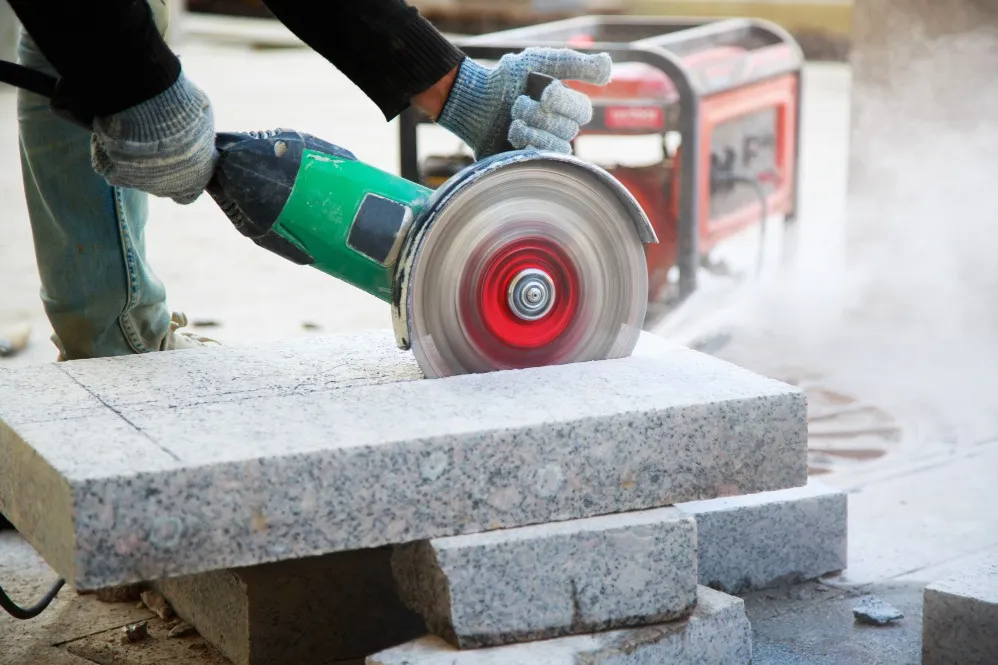
Renovation frequently requires new openings through existing masonry. Doors may need widening, windows may need repositioning, service passages may be introduced, or sections of brickwork may need controlled removal. Brick Cutting Diamond Saw techniques can help create cleaner boundaries during these modifications.
For renovation projects in Gadchiroli, Maharashtra, choosing between controlled saw cutting and conventional masonry breaking should depend on the required finish, wall condition, surrounding construction, and purpose of the opening.
When Saw Cutting Becomes Useful
A hammer can remove brickwork quickly, but breaking does not always produce a neat boundary.
Diamond saw cutting can be useful when contractors require defined lines for:
- Door openings
- Window openings
- Service penetrations
- Wall alterations
- Masonry removal
- Renovation work
- Commercial fit-outs
- Building extensions
The technique can establish the intended perimeter before the unwanted masonry is dismantled.
Check the Wall Before Cutting
Not every brick wall should be treated as a simple partition.
Older buildings may contain load-bearing masonry, concealed RCC members, electrical wiring, plumbing, or modifications made during previous renovations.
Before cutting, establish whether the wall performs a structural role. If there is uncertainty, appropriate technical assessment should take place before alteration.
Look at the Required Edge Quality
If the opening will later receive a door frame, glazing system, structural frame, or architectural finish, irregular edges can create additional work.
Defined saw cuts may reduce uncontrolled chipping outside the planned opening.
For areas that will be completely demolished, however, such precision may provide little practical benefit. The method should match the actual project objective.
Consider Dust Management
Cutting masonry generates dust or slurry depending on the equipment and cutting arrangement.
This becomes especially important in renovation projects where other portions of the property remain occupied or finished.
Work-zone isolation, suitable dust control, floor protection, and planned cleanup should therefore be considered before cutting begins.
Avoid Common Planning Mistakes
Several mistakes can increase renovation time unnecessarily:
- Marking openings without checking dimensions
- Ignoring concealed services
- Cutting before confirming structural requirements
- Failing to protect nearby finishes
- Creating sections too large for safe handling
- Starting work without a debris removal route
The cutting itself may be relatively quick, while poor preparation can create delays afterward.
Select the Method Based on the Building
A modern brick partition inside a commercial property presents different conditions from thick masonry in an older building.
Wall thickness, brick quality, plaster condition, access, required opening dimensions, and nearby structural members should all influence equipment selection.
Salasar Demolitions Pvt Ltd undertakes controlled cutting and demolition activities for alteration projects. For properties in Gadchiroli, providing site photographs, wall dimensions, opening sizes, and information about the surrounding structure can support better planning before execution.
Brick Cutting Diamond Saw work is most valuable when the project requires a controlled boundary rather than indiscriminate masonry removal. Used appropriately, it can make renovation openings more predictable while helping contractors manage subsequent framing, finishing, and installation activities efficiently.
Keywords