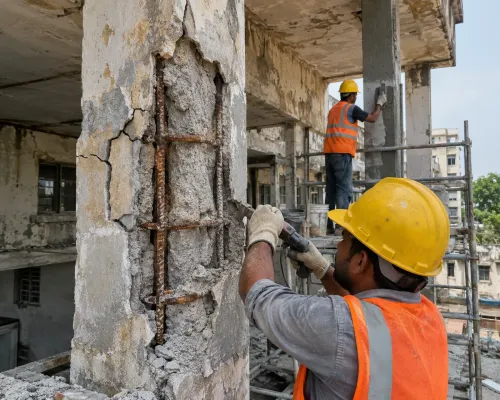
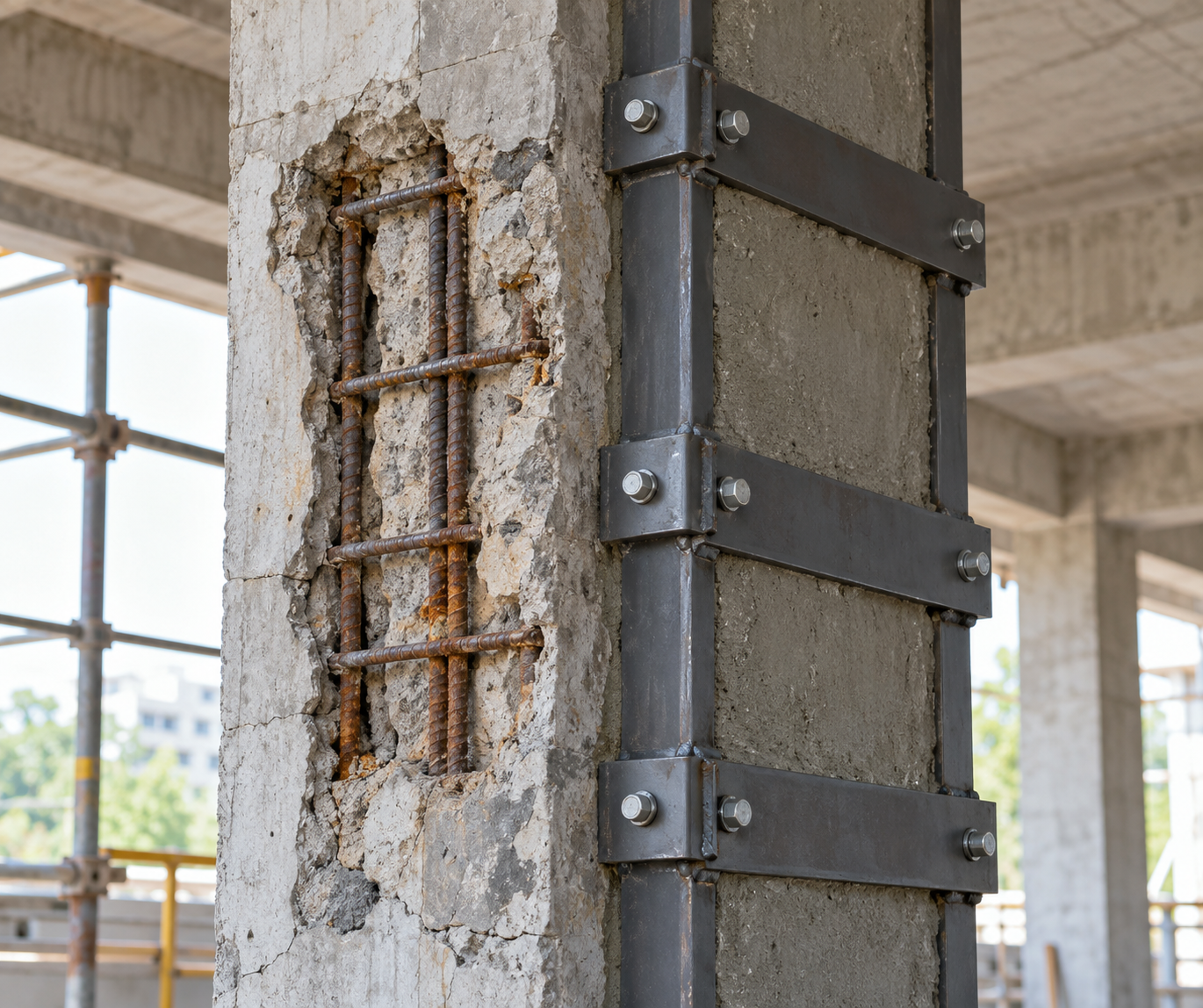
Columns play a critical role in transferring building loads toward the foundation. Visible deterioration, reinforcement corrosion, cracking, impact damage, construction deficiencies, or revised loading requirements can create situations where Column Strengthening needs to be evaluated.
For existing buildings and industrial properties in Washim, Maharashtra, strengthening should begin with diagnosis rather than immediately adding concrete, steel, or repair material around the affected member.
Identify Why Strengthening Has Been Proposed
A column can show distress for several reasons.
Possible factors include:
- Reinforcement corrosion
- Concrete deterioration
- Increased structural loads
- Poor original construction
- Impact damage
- Alteration of adjoining structural members
- Fire-related damage
- Long-term exposure to moisture
- Changes in building use
The underlying cause affects the appropriate repair strategy.
Obtain a Structural Assessment
Cracks do not automatically prove that a column needs strengthening, just as a visually intact column does not automatically confirm adequate capacity.
A structural engineer may review drawings, loading conditions, crack patterns, concrete condition, reinforcement, and other relevant information before recommending intervention.
Where necessary, testing can support the assessment.
Understand Possible Strengthening Approaches
The selected method depends on engineering design and site conditions.
Potential approaches can include concrete jacketing, steel-based strengthening, reinforcement additions, specialised repair systems, or other designed retrofit solutions.
There is no responsible one-method-fits-all answer for every damaged column.
Prepare the Existing Surface Properly
Strengthening frequently requires new material to interact effectively with the existing structural member.
Depending on the specified method, preparation may involve:
- Removing weak concrete
- Exposing affected reinforcement
- Cleaning corrosion
- Preparing concrete surfaces
- Installing additional reinforcement
- Providing anchors or connectors
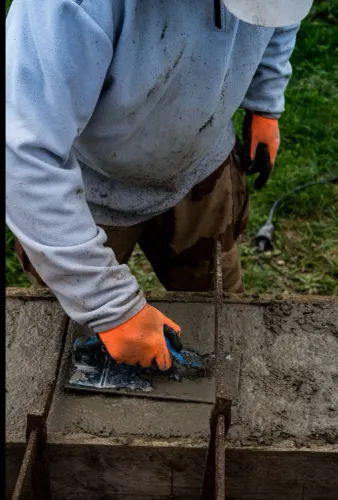
- Applying specified repair materials
Poor preparation can undermine otherwise appropriate repair work.
Check Access Before Appointing a Contractor
Column location can significantly influence execution.
A column inside an operating factory may be surrounded by machinery. A basement column may offer limited equipment access. Commercial properties may need phased work to reduce disruption.
Contractors should inspect these conditions rather than quote purely from column dimensions.
Review Temporary Support Requirements
Depending on structural condition and the proposed intervention, temporary load support may be required.
Any such requirement should be established by the responsible structural professional before repair work starts.
Evaluate the Provider's Related Capabilities
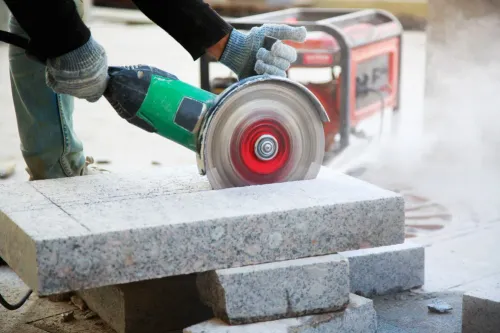
Column strengthening can involve concrete removal, drilling, anchoring, reinforcement work, grouting, cutting, and repair preparation.
Salasar Demolitions Pvt Ltd undertakes specialised structural repair and concrete intervention work. For projects in Washim, sharing structural recommendations, site photographs, member dimensions, access conditions, and identified deterioration can make initial scope evaluation more meaningful.
A project is generally better prepared when the cause of distress has been investigated, the strengthening design has been established, access has been reviewed, temporary support requirements are known, and repair materials have been specified.
Column Strengthening should not simply conceal visible damage. The purpose is to execute an engineered intervention addressing the structural requirement identified during assessment.
Keywords