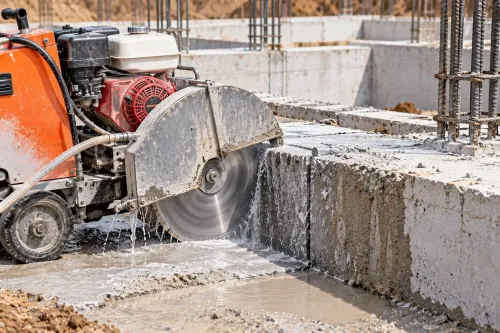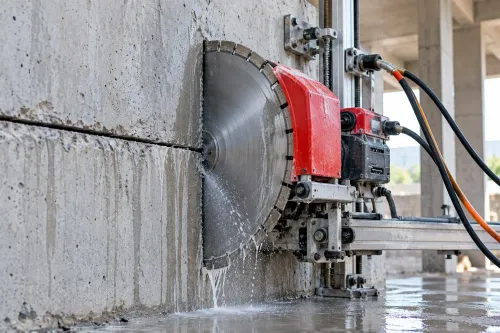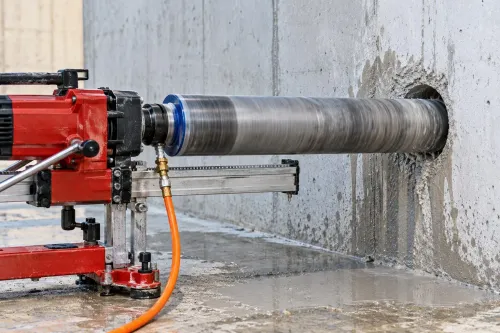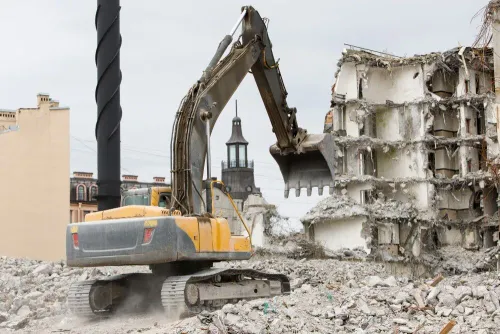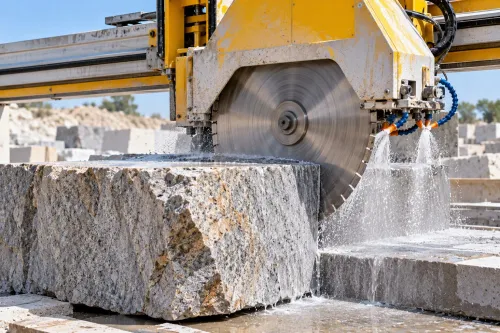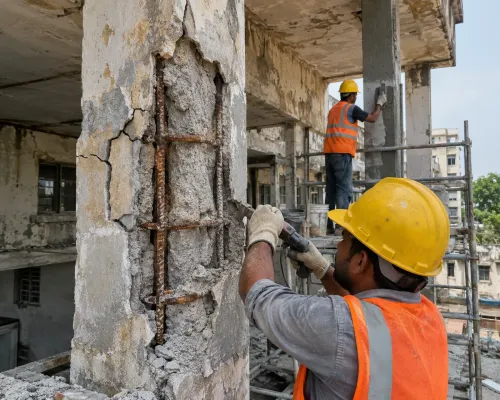
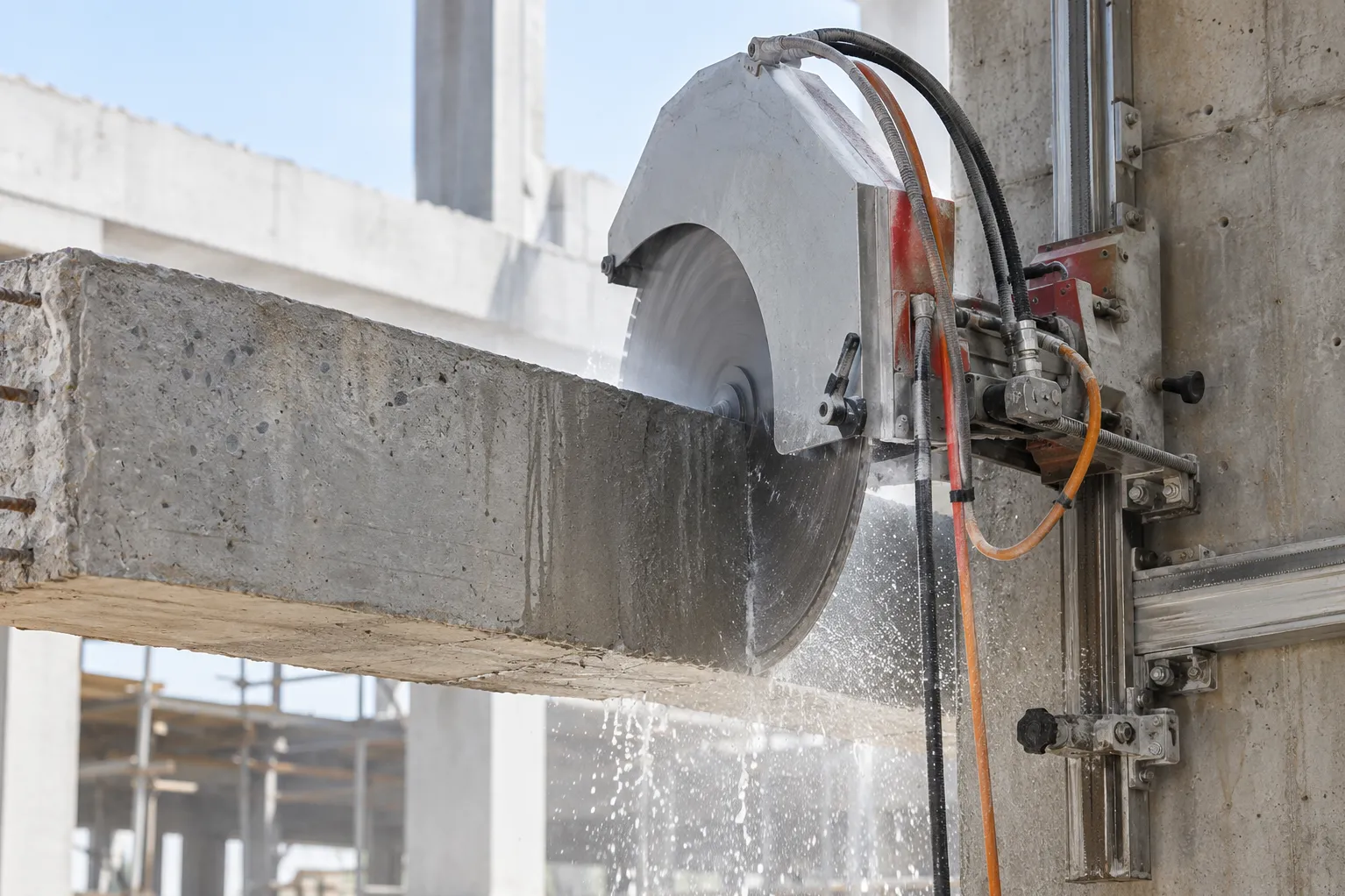
Cutting an RCC beam is fundamentally different from cutting a non-structural wall. Beams commonly form part of the building's load-transfer system, which means any proposed alteration requires careful engineering review before physical cutting begins.
When Beam Diamond Saw Cutting is specified for a project in Gondia, Maharashtra, contractors and property owners should confirm several technical and practical requirements before scheduling the work.
Confirm Structural Approval
This is the first requirement.
A beam should not be cut simply because it obstructs a proposed opening, equipment route, architectural layout, or service installation.
A structural engineer may need to determine whether cutting is permissible and whether temporary support, strengthening, load transfer, or another intervention is required.
The cutting team should receive clear execution instructions rather than make assumptions about structural behaviour.
Verify the Exact Cutting Zone
Dimensions should be clearly marked before equipment setup.
Check:
- Cut position
- Required depth
- Beam dimensions
- Cutting direction
- Portion being retained
- Portion being removed
Where available, structural drawings can provide valuable information about the member.
Understand Reinforcement Conditions
RCC beams normally contain reinforcement designed according to structural loading requirements.
Diamond equipment can cut reinforced concrete, but the fact that cutting is technically possible does not mean reinforcement can be removed without engineering consideration.
Rebar location, beam function, and structural instructions need to be understood before work progresses.
Plan Temporary Support
Some alteration projects require temporary support before a structural member is modified.
If propping or another support arrangement is specified, it should be properly installed before cutting begins. The cutting sequence may also need to follow engineering instructions.
This stage should never be improvised during execution.
Calculate the Weight of Removed Sections
Concrete is heavy. Even a relatively compact beam segment can weigh considerably more than it appears.
Before completing a cut, teams should determine how the separated section will be supported, lowered, lifted, divided, and removed.
Suitable lifting arrangements can prevent the cut member from dropping unexpectedly.
Check Equipment Access
Diamond saw equipment requires adequate operating space and mounting arrangements.
Site teams should confirm:
- Working clearance
- Power requirements
- Water availability where applicable
- Slurry management
- Equipment positioning
- Access for lifting
- Debris movement route
Restricted spaces may require a different cutting strategy.
Protect the Surrounding Area
Finished flooring, glass, equipment, electrical installations, and occupied spaces near the work zone may need protection.
A controlled cutting method can reduce unnecessary breaking, but work-zone management remains essential.
Salasar Demolitions Pvt Ltd carries out specialised concrete cutting work where structural modifications require planned execution. For Gondia projects, supplying structural instructions, beam dimensions, photographs, access information, and removal requirements before mobilisation can reduce site-level uncertainty.
Beam Diamond Saw Cutting should therefore be approached as an engineering-led structural operation. The best readiness indicator is not simply whether cutting equipment can reach the beam. It is whether structural approval, support requirements, cutting dimensions, lifting arrangements, and site controls have all been established before the first cut begins.
Keywords