An existing RCC slab may need attention when its loading changes, deterioration becomes visible, openings are introduced, reinforcement is affected, or the building undergoes major renovation. Slab Strengthening can restore or improve structural performance when an appropriate engineering assessment identifies a genuine requirement.
For commercial, industrial, and residential properties in Yavatmal, Maharashtra, recognising the warning signs early can help property owners determine when professional investigation is appropriate.
Persistent Cracking
Not every slab crack indicates structural failure. Shrinkage, temperature movement, finishes, and several other factors can produce cracking.
However, cracks that continue to widen, occur in significant structural locations, appear with visible deformation, or change over time deserve professional assessment.
Rather than filling the crack immediately, it is important to understand why it developed.
Visible Deflection
A slab that appears noticeably sagged or deflected should not be evaluated solely through cosmetic repair.
Changes in loading, inadequate structural capacity, deterioration, or other factors may contribute to deformation. An engineer can determine what investigation is required.
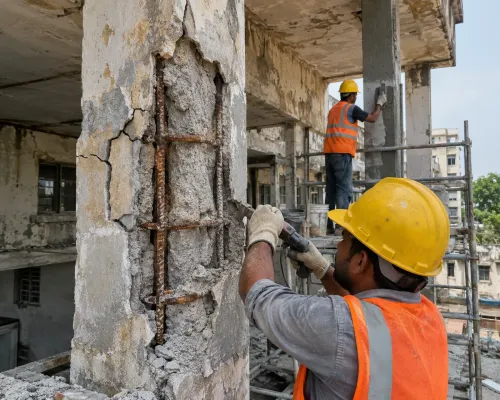
Reinforcement Corrosion
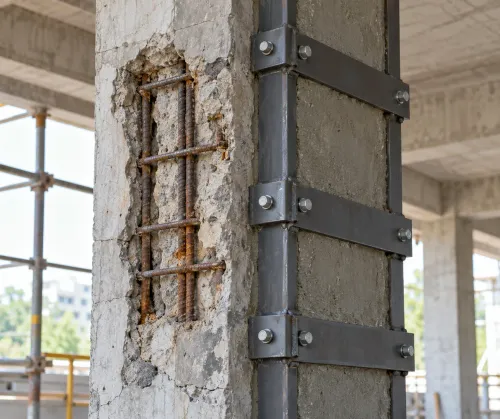
Water ingress can eventually contribute to reinforcement corrosion. Expanding corrosion products may cause surrounding concrete to crack or spall.
Signs can include rust staining, exposed reinforcement, loose concrete, or recurring patches of damaged surface.
Simply covering exposed steel without addressing deterioration may provide only a temporary cosmetic improvement.
Increased Loading
A building originally designed for one use may later be converted to another.
Examples include installing heavy machinery, storage systems, tanks, equipment, archives, or other concentrated loads on an existing floor.
Before substantially increasing slab loading, structural capacity should be checked. Strengthening may be recommended if the existing system cannot adequately support the proposed use.
New Openings Through Existing Slabs
Renovations frequently require openings for stairs, ducts, lifts, services, or equipment.
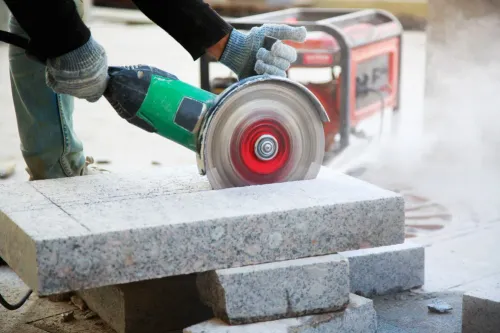
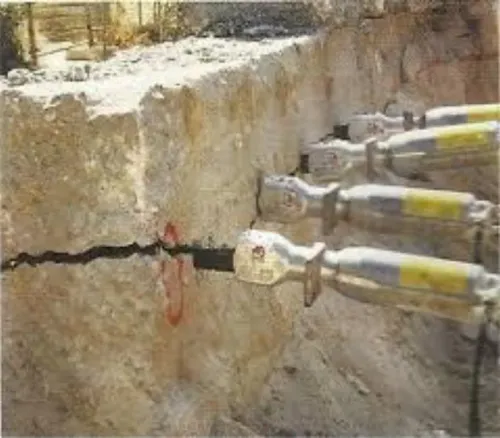
Cutting an RCC slab can alter reinforcement continuity and structural behaviour. Proposed openings should therefore be reviewed before concrete cutting begins.
Where necessary, strengthening can form part of the modification design.
What Happens Before Strengthening
A responsible process may include:
- Reviewing available structural drawings
- Inspecting visible deterioration
- Understanding present loading
- Identifying proposed future loading
- Assessing reinforcement where necessary
- Reviewing concrete condition
- Determining repair boundaries
- Developing a suitable strengthening design
The actual method should follow the findings rather than precede them.
Selecting an Execution Provider
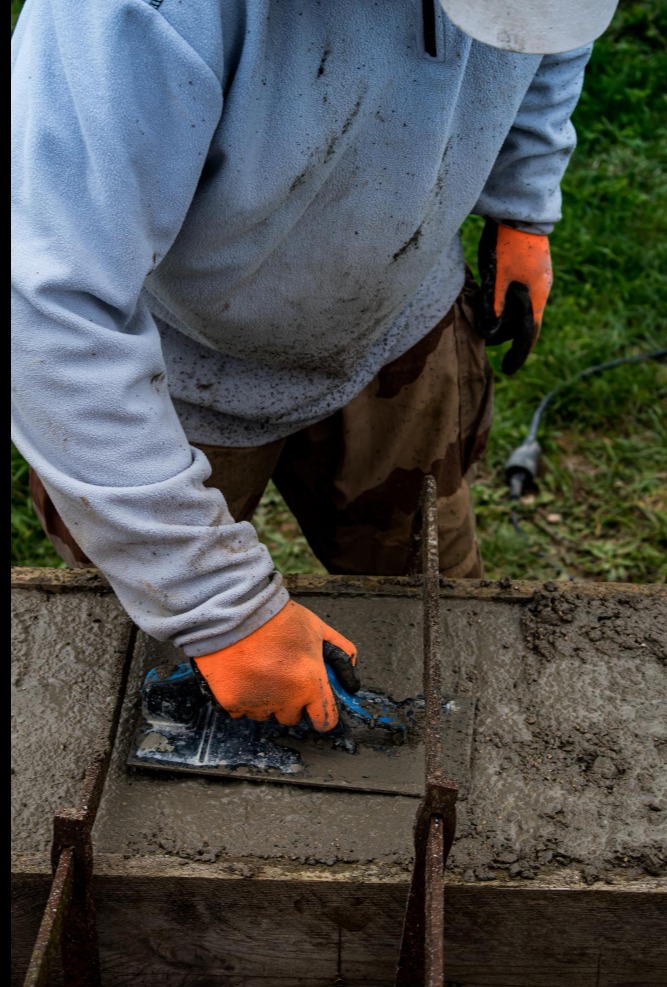
Structural strengthening requires careful surface preparation and compliance with engineering specifications.
Salasar Demolitions Pvt Ltd works on structural repair, concrete cutting, anchoring, and strengthening-related requirements. For Yavatmal projects, owners should ideally have structural recommendations, affected-area dimensions, photographs, access information, and intended building use available when discussing execution.
Slab Strengthening becomes relevant when the existing structural system requires improvement, not merely because a surface looks old. Correct diagnosis helps distinguish cosmetic deterioration from structural concerns and allows repair resources to be directed toward the actual problem.
Keywords