Structural retrofits, equipment installations, steel connections, extensions, and strengthening projects frequently require new anchors to be installed into existing concrete. Chemical Anchor Bolt Grouting uses an engineered anchoring material to secure threaded rods or reinforcement within drilled holes.
For projects in Wardha, Maharashtra, reliable installation depends on considerably more than drilling a hole and filling it with chemical adhesive. Hole preparation, embedment depth, material selection, curing conditions, and installation discipline can directly affect anchor performance.
Look for Process Knowledge
A competent service provider should understand the complete anchoring procedure.
Typical stages include:
- Marking the anchor position
- Drilling to the specified diameter and depth
- Cleaning the hole properly
- Preparing or dispensing the anchoring material
- Installing the threaded rod or reinforcement
- Allowing the required curing period
- Applying load according to project requirements
Skipping or poorly executing one stage can compromise the installation.
Ask How Hole Cleaning Will Be Managed
Drilling creates concrete dust inside the hole. If this material is not removed according to the anchoring system's installation requirements, bonding can be affected.
The contractor should have a defined hole-cleaning procedure rather than treating cleaning as an optional finishing step.
Confirm Anchor Specifications
Before work starts, the project team should clearly identify:
- Anchor diameter
- Hole diameter
- Embedment depth
- Anchor spacing
- Edge distance
- Base material
- Required anchoring system
- Loading requirements
Structural drawings or engineering specifications should guide critical anchoring work.
Check Material Compatibility
Different anchoring products are designed for different conditions. Concrete quality, hole condition, environmental exposure, installation orientation, temperature, and load requirements can influence product selection.
A provider should follow the specified anchoring system rather than substitute materials casually.
Understand Curing Requirements
Chemical anchors generally require appropriate curing before they are loaded.
Curing time varies according to the product and environmental conditions. Tight construction schedules should therefore account for this period instead of applying loads immediately after installation.
Evaluate Related Concrete Cutting Capability
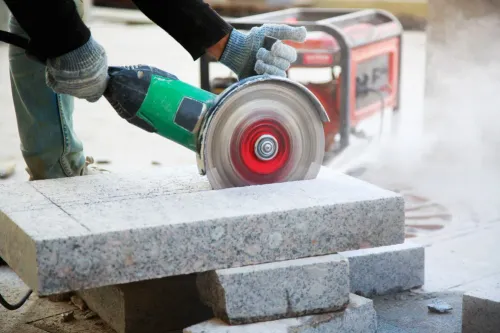
Some retrofit projects combine anchoring with core drilling, concrete cutting, structural strengthening, or demolition.
A contractor familiar with these related operations may help coordinate sequences more efficiently, particularly where anchors are being installed as part of a larger structural modification.
Salasar Demolitions Pvt Ltd works across specialised structural intervention activities, including anchoring and concrete-related services. For Wardha projects, clear drawings and anchor specifications can help establish the required scope before site execution begins.
Signs a Project Is Ready
A chemical anchoring project is better prepared when anchor locations have been approved, structural specifications are available, base concrete is accessible, required dimensions are confirmed, and subsequent loading requirements are understood.
Chemical Anchor Bolt Grouting may appear to be a small component within a larger construction project, but anchor performance can be important to the connection it supports. Provider selection should therefore focus on installation discipline, specification compliance, site preparation, and quality control rather than price alone.
Keywords