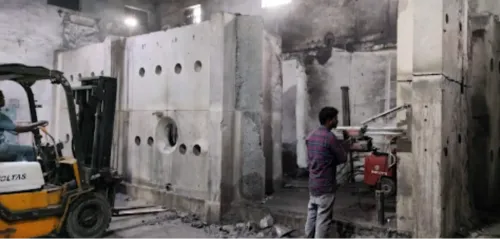
RCC columns are among the most important load-bearing components in a building. They transfer loads from beams and slabs to the foundation. Cracking, corrosion, poor construction or increased loading can reduce a column’s capacity and create wider structural concerns.
Column strengthening is intended to improve performance without automatically replacing the entire structural member. Salasar Demolitions Pvt Ltd undertakes strengthening-related work after the column condition and engineering requirements have been assessed. The selected method should address the actual weakness rather than merely covering visible damage.
When Might a Column Need Strengthening?
A structural inspection may be necessary when a column shows:
- Wide or increasing cracks
- Exposed reinforcement
- Rust stains or concrete spalling
- Honeycombing and voids
- Impact or fire damage
- Noticeable deformation
- Poor-quality previous repairs
- Changes in building use
- Additional floors or increased loads
- Alteration of nearby beams and slabs
Small surface cracks do not always indicate severe structural weakness, while serious internal deterioration may not be obvious from appearance alone. Testing and engineering evaluation help establish the cause.
Common Column Strengthening Methods
The correct method depends on the existing concrete strength, reinforcement condition, load demand and available working space.
RCC Jacketing
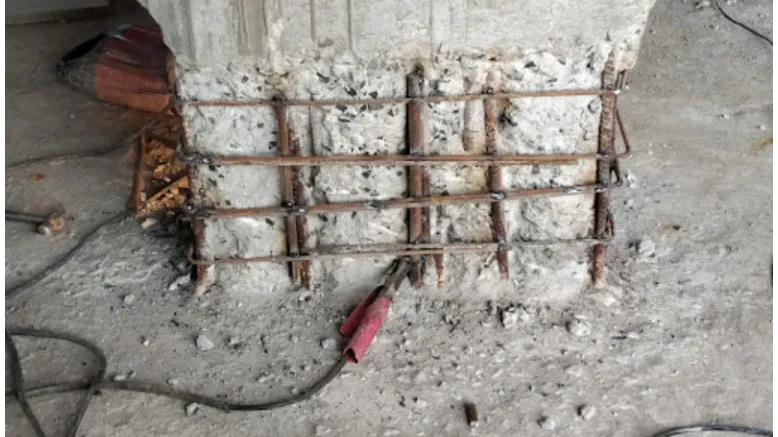
RCC jacketing enlarges the column by adding reinforcement and a new concrete layer around it. Proper surface preparation, dowel anchoring and bonding are essential for the old and new sections to act together.
Steel Jacketing
Steel plates or sections are installed around the column to improve strength and confinement. This method can provide a relatively compact solution where increasing the column size significantly is undesirable.
FRP Wrapping
Fibre-reinforced polymer wrapping can improve confinement and support certain strengthening requirements with minimal increase in column dimensions. Its use must follow a suitable structural design and surface-preparation procedure.
Section Repair and Rebar Treatment
Where damage is localised, loose concrete may be removed, corroded steel treated or replaced, and the section rebuilt using approved repair material. This approach is appropriate only when engineering assessment confirms that local repair is sufficient.
Selecting a Column Strengthening Contractor in Nagpur
Buildings in Nagpur face seasonal heat, monsoon moisture and varying construction conditions. Water ingress can accelerate reinforcement corrosion, particularly where concrete cover is inadequate.
A qualified contractor should review structural drawings, test reports and the engineer’s strengthening design. Before appointment, ask how the provider will:
- Support loads during repair
- Remove weak concrete without damaging sound areas
- Treat corroded reinforcement
- Install dowels and additional steel
- Prepare the existing surface
- Control alignment and jacket dimensions
- Cure the new repair material
- Verify the completed work
A contractor offering a strengthening method without investigating the cause of distress may overlook water leakage, foundation movement or excessive loading.
Readiness Indicators Before Work Starts
The area should be cleared to provide access around the column. Temporary props or load-transfer arrangements must be installed where specified. Plumbing leaks and other sources of moisture should be repaired before enclosing the column with new material.
The approved drawings should identify reinforcement size, anchor spacing, jacket thickness and material grade. Any conflict between site conditions and the design must be resolved before execution.
Column strengthening can extend service life and support new load requirements when it follows a sound engineering plan. Arrange a structural site inspection if cracks, spalling or reinforcement corrosion are visible on any load-bearing column.
Keywords