Demolishing a building involves much more than bringing down walls. A well-planned demolition project requires structural assessment, equipment selection, controlled execution, debris management, site safety, and coordination with surrounding properties. These factors become particularly important in a developing urban and industrial centre such as Nagpur, Maharashtra.
Professional Demolition Services are used for residential buildings, commercial structures, factories, warehouses, institutional properties, industrial plants, and redevelopment projects. The method selected depends on the structure, its surroundings, construction material, accessibility, and the purpose of demolition.
What Happens Before Demolition Begins
A site assessment is one of the most important stages. Contractors need to understand how the structure was constructed before deciding how it should be dismantled.
Important considerations usually include:
- Building height and structural condition
- RCC, brick, steel, or mixed construction
- Distance from neighbouring properties
- Available working space
- Underground and overhead utilities
- Equipment access
- Waste removal requirements
- Areas that must remain protected
An old industrial structure may require a very different demolition approach from a standalone residential building.
Common Demolition Methods
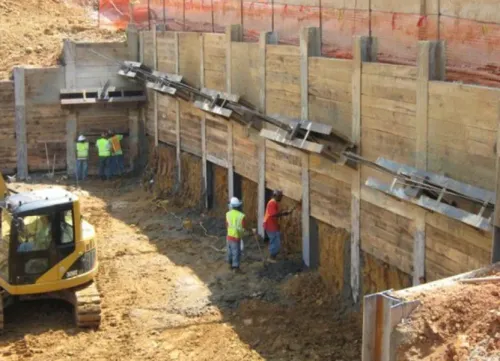
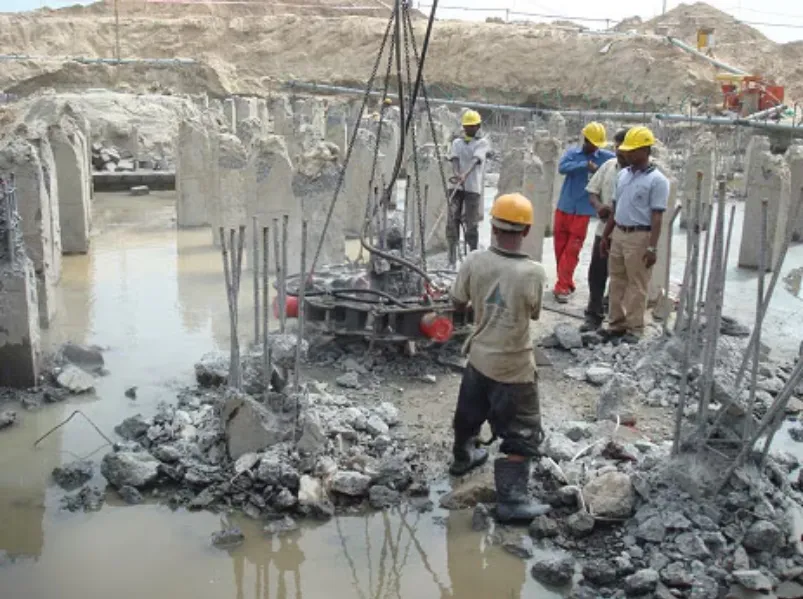
Mechanical demolition uses excavators and suitable attachments to dismantle larger sections efficiently. Controlled dismantling may be preferred where specific structural components need to be removed without disturbing adjoining areas.
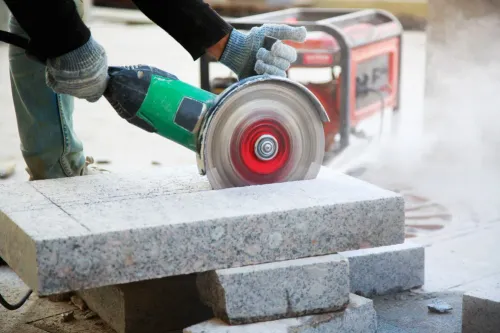
Concrete cutting equipment can also be used where precision matters. Diamond saw cutting, wire saw cutting, and core cutting help create controlled openings or separate concrete sections before removal.
Manual dismantling remains useful in restricted areas where machinery cannot operate safely.
Why Controlled Demolition Matters
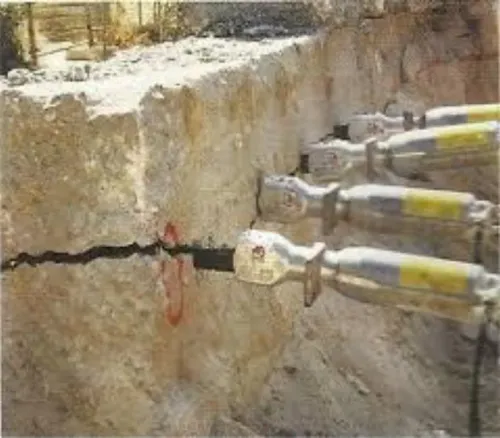
Unplanned demolition can create unnecessary vibration, uncontrolled falling debris, damage to adjacent structures, and difficult waste handling.
A controlled process allows the contractor to determine the sequence in which structural components are removed. This can be particularly important in dense parts of Nagpur where buildings, roads, commercial premises, or operational facilities may be close to the work zone.
Dust suppression, barricading, debris segregation, equipment movement, and worker protection also form part of responsible demolition planning.
Demolition Does Not Always Mean Complete Removal
Many projects involve partial demolition rather than removing an entire building.
Examples include:
- Removing a damaged slab
- Creating space for an extension
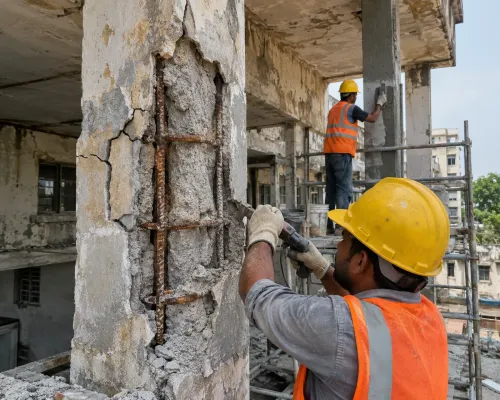
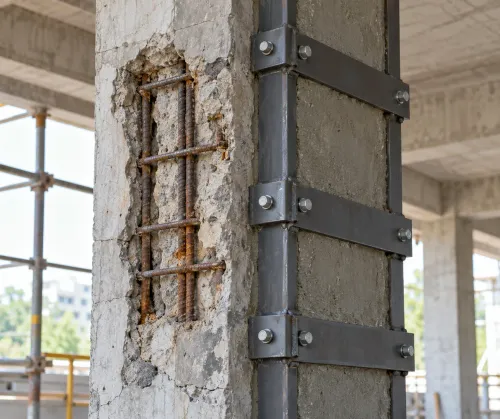
- Dismantling selected columns or beams
- Removing machinery foundations
- Cutting openings through RCC walls
- Altering an industrial floor
- Removing obsolete structural sections
Precision becomes especially important in these situations because the retained portion of the structure must be protected.
Choosing the Appropriate Technique
The fastest demolition technique is not automatically the most suitable one. Contractors should consider structural stability, vibration limits, access conditions, debris size, neighbouring activity, and project schedules.
For example, diamond cutting can provide cleaner separation where conventional breaking could create excessive vibration. Heavy machinery may be more practical when an entire isolated structure needs removal.
Salasar Demolitions Pvt Ltd works within demolition, concrete cutting, dismantling, and structural intervention requirements. For projects in Nagpur, selecting a method based on actual site conditions helps improve execution planning while reducing avoidable disruption.
A successful demolition project ultimately begins before the first structural component is removed. Understanding the building, planning the sequence, choosing suitable equipment, and controlling the work zone are what turn demolition from uncontrolled destruction into an organised construction activity.
Keywords