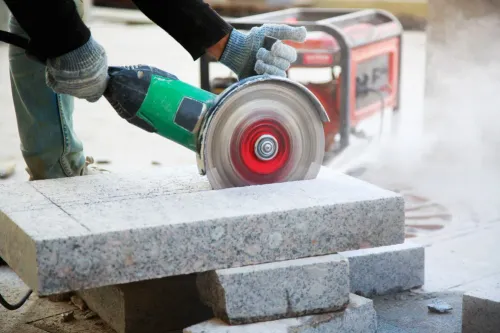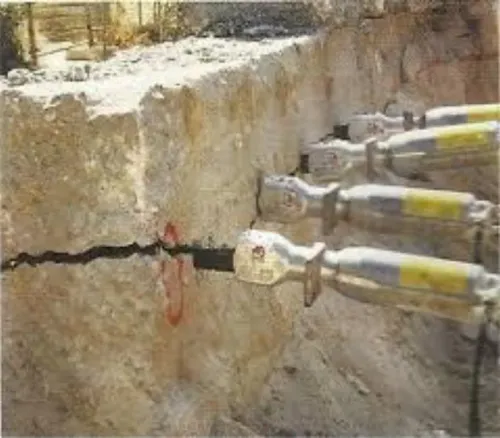
Removing reinforced concrete can be approached in two very different ways. Conventional breaking relies on repeated impact to fracture the material, while diamond saw RCC cutting separates it along a planned line. Both methods have legitimate applications, but their effects on the structure, work environment and finished result are not the same.
Understanding this difference helps building owners, engineers and contractors choose a method suited to the actual purpose of the work.
What Is Diamond Saw RCC Cutting?
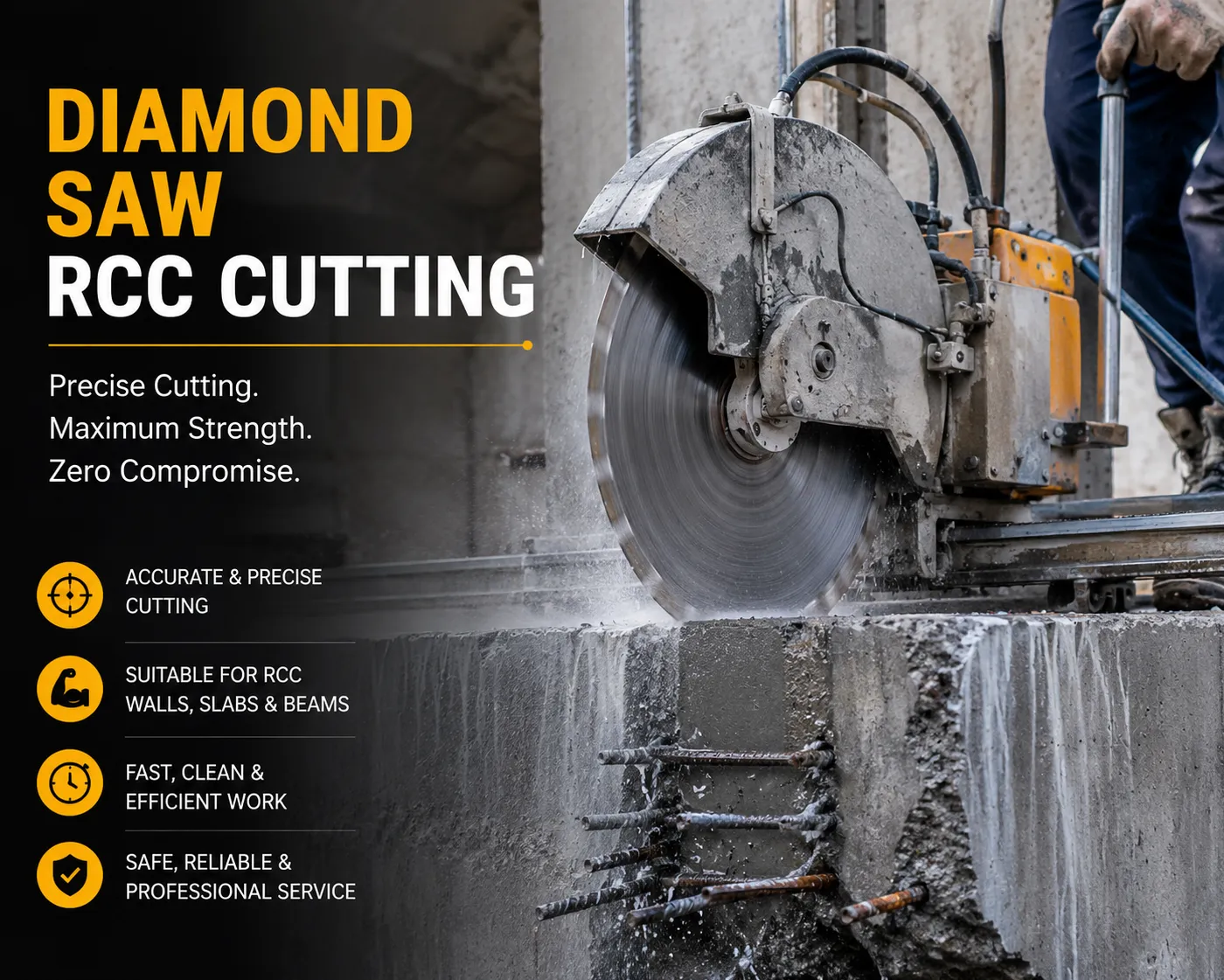
Diamond saw cutting uses blades fitted with industrial diamond segments to cut through reinforced cement concrete. The equipment can be configured for walls, floors, slabs, beams and other structural elements.
The blade follows a marked path to produce a controlled opening or separate a concrete section. Because diamond segments can cut both concrete and embedded reinforcement, the method avoids the need to break the RCC indiscriminately.
Common applications include:
- Creating door and window openings
- Removing sections of RCC slabs
- Cutting floors for trenches and utility lines
- Modifying concrete walls
- Separating beams for controlled removal
- Cutting expansion or construction joints
- Removing damaged structural portions
- Preparing openings for lifts and staircases
Diamond Saw Cutting Versus Impact Breaking
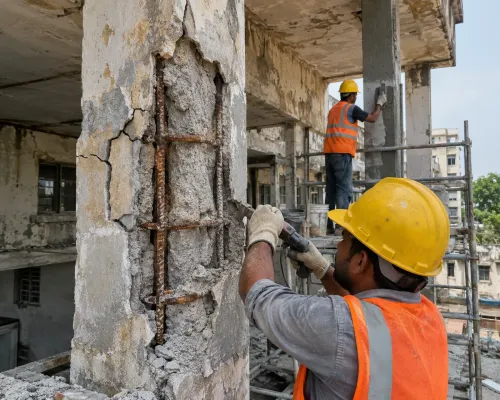
The most visible difference is the quality of the edge. Saw cutting produces a relatively smooth and defined surface. Impact breakers create rough, fractured edges that may require additional trimming and repair.
Vibration is another major consideration. Breakers transfer repeated impact into the surrounding concrete. This can be unsuitable near delicate finishes, aged structures, precision machinery or structural areas that must be retained. Diamond cutting creates significantly less vibration because the material is cut rather than hammered apart.
Noise, dust and debris also differ. Saw cutting still generates operational noise and slurry, but these can be managed through water cooling, barriers and collection arrangements. Conventional breaking usually produces more loose rubble, airborne dust and unpredictable fragments.
When Conventional Breaking Still Makes Sense
Diamond saw RCC cutting is not a universal replacement for mechanical breaking. If a large volume of non-sensitive concrete must be removed and there is sufficient clearance, breakers or excavator-mounted attachments may offer a practical solution.
The decision should consider:
- Required edge finish
- Thickness of the concrete
- Density of reinforcement
- Structural sensitivity
- Accessibility for equipment
- Permitted vibration levels
- Size and weight of removable sections
- Time available for execution
Many projects use a combined approach. Diamond cutting first defines the boundary, after which the isolated section is removed using lifting equipment or controlled breaking.
RCC Cutting Considerations for Properties in Nagpur
In Nagpur, RCC modifications are common in redevelopment, commercial renovation and industrial expansion projects. Work often takes place close to occupied rooms, adjoining buildings or active production equipment. Under these conditions, uncontrolled vibration and debris can create avoidable risks.
Salasar Demolitions Pvt Ltd considers access, structural drawings and the intended modification before recommending a cutting sequence. The company may also evaluate how the separated concrete pieces will be supported, lowered and transported from the site.
This final point is crucial. A concrete slab or wall panel can weigh several hundred kilograms even when it appears relatively small. Cutting should never begin without planning how each section will be restrained and removed.
What Produces a Clean and Safe Cut?
Successful RCC cutting depends on more than blade power. Accurate marking, suitable blade selection and rigid machine mounting all affect the result. Water flow must be controlled to cool the blade and limit dust. Operators must also monitor reinforcement, blade depth and changing loads during the cut.
Diamond saw cutting is most valuable when precision matters. It allows builders to modify reinforced concrete while preserving surrounding portions, reducing corrective repairs and creating openings that are ready for further installation work.
Keywords