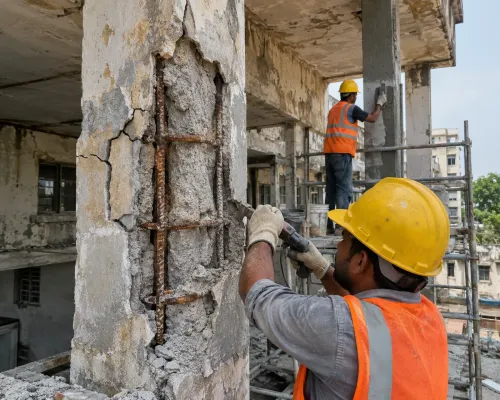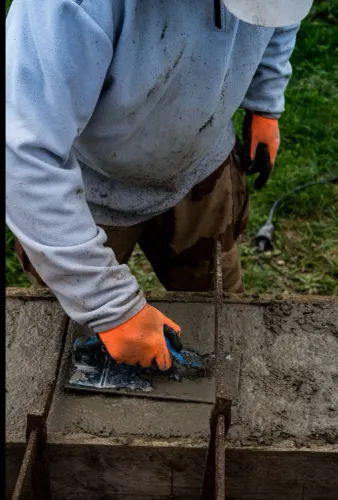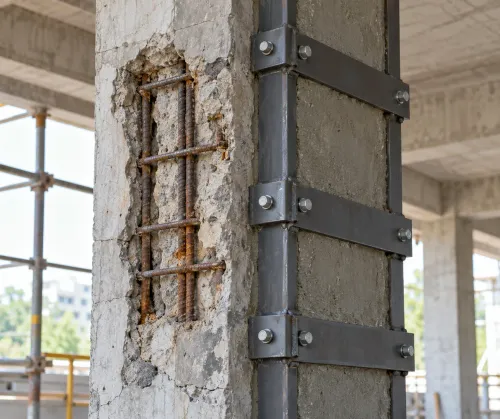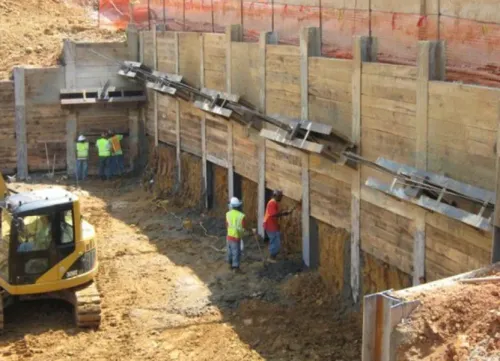
Foundations are designed to carry substantial structural loads, which also makes them difficult to remove when a property undergoes redevelopment. Foundation Cutting provides a planned way to separate unwanted concrete foundations into sections that can be removed or modified according to project requirements.
In Bhandara, Maharashtra, foundation cutting may be required during industrial redevelopment, machinery replacement, building reconstruction, infrastructure modification, or removal of obsolete RCC structures.
Why Foundations Need Special Planning
Removing a brick partition and removing an RCC foundation are completely different tasks.
Foundations may contain thick reinforced concrete and can extend below ground level. Their location can also place them close to operating equipment, underground services, neighbouring foundations, or structural components that must remain undisturbed.
Before cutting begins, teams should understand the dimensions, reinforcement, depth, surrounding soil conditions, and relationship with the retained structure.
Typical Foundation Cutting Requirements
The technique can be used when:
- Old machine foundations need removal
- Building foundations obstruct redevelopment
- RCC bases require resizing
- Industrial layouts are being changed
- Equipment pits need modification
- Selected foundation sections must be separated
- Existing concrete interferes with new construction
The objective is usually to isolate concrete within predetermined boundaries before removal.
Cutting Compared With Uncontrolled Breaking
Heavy breakers can remove concrete efficiently in suitable environments. However, continuous impact may not be desirable close to sensitive structures, machinery, finished surfaces, or retained concrete.
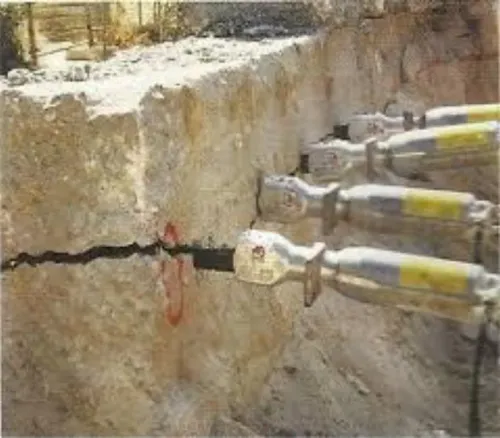
Cutting techniques can establish clear separation lines. Once isolated, sections can be handled using suitable lifting, breaking, or removal methods.
This approach can make demolition sequencing more predictable.
Key Questions Before Work Begins
Contractors planning foundation cutting should clarify several points before mobilisation.
How thick is the foundation?
Thickness affects equipment selection and cutting strategy.
Does it contain heavy reinforcement?
Available drawings or site investigation can help identify reinforcement conditions.
What must remain untouched?
Nearby foundations, columns, machinery, pipelines, or floor areas should be identified.
How will the cut sections be removed?
Concrete weight needs to be considered before deciding section dimensions.
Are underground utilities present?
Electrical lines, drainage, water pipes, and process utilities need appropriate verification.
Site Conditions Influence Technique Selection
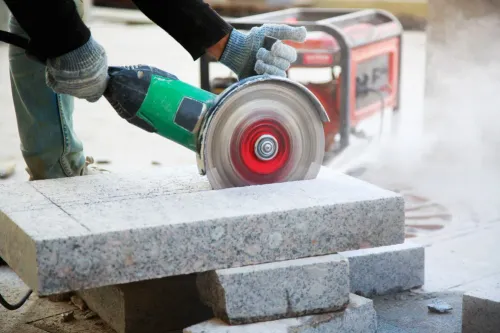
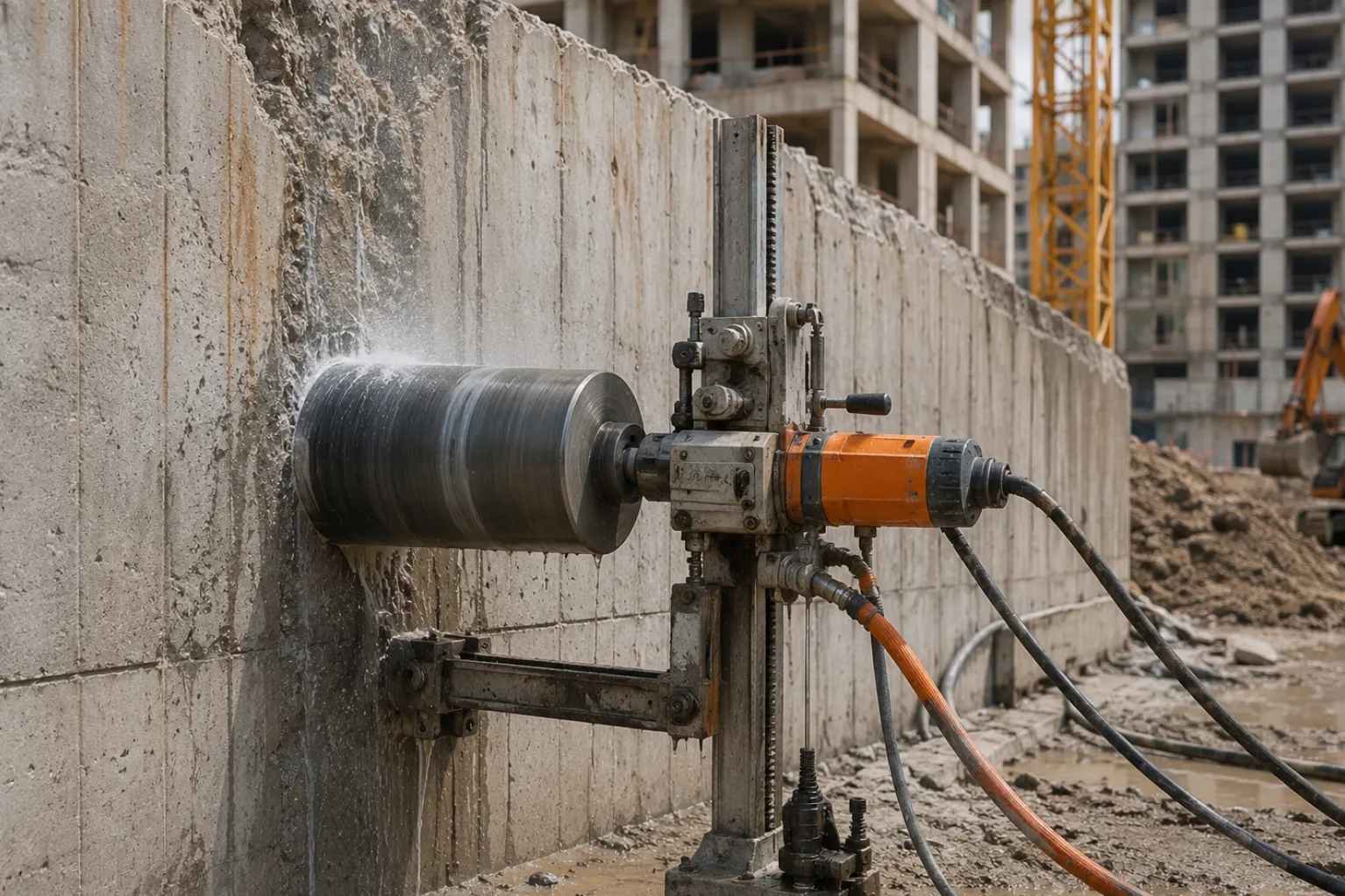
No single cutting method fits every foundation. Diamond saw cutting may suit accessible sections, while diamond wire saw cutting can be considered for substantial concrete masses or complex geometries. Core drilling may also support specific separation requirements.
The final method depends on access, concrete dimensions, reinforcement, permissible disturbance, and removal strategy.
Salasar Demolitions Pvt Ltd works on concrete cutting and demolition requirements where existing structural components need controlled removal. In Bhandara, redevelopment contractors can improve project planning by identifying foundation removal requirements before new civil work reaches the affected area.
Foundation cutting is most effective when treated as part of the overall redevelopment sequence rather than an isolated demolition activity. Accurate assessment, controlled cutting, manageable section sizes, and coordinated debris removal can make difficult below-ground concrete work significantly more organised.
Keywords