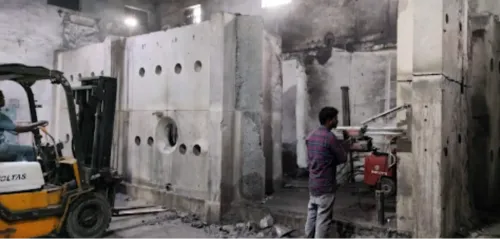
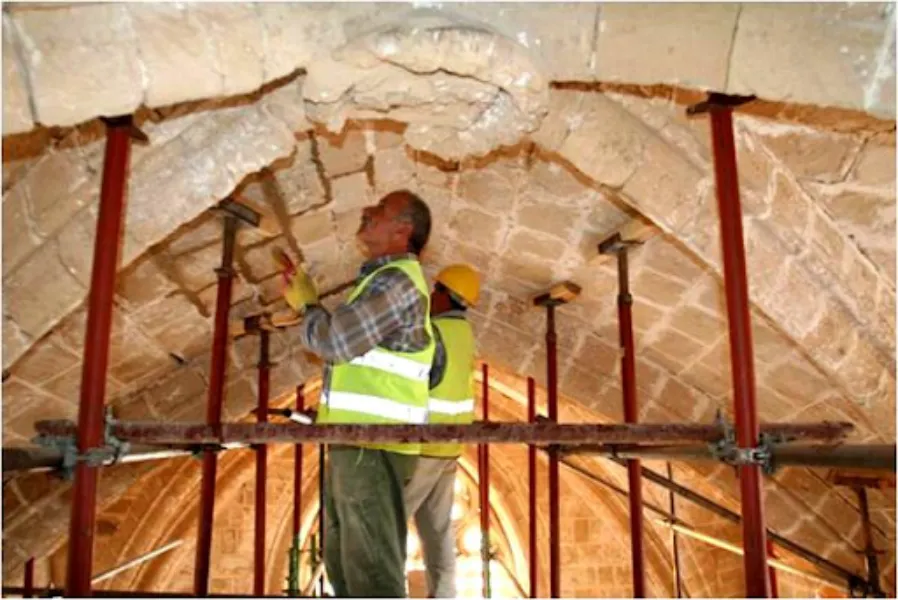
An old building does not necessarily need complete demolition. Many structures can remain useful when deterioration is identified correctly and repaired with compatible methods. The challenge is distinguishing surface-level damage from problems affecting structural safety.
Old structure repair may involve crack treatment, concrete restoration, reinforcement protection, waterproofing or strengthening of load-bearing members. Salasar Demolitions Pvt Ltd evaluates visible damage and site conditions before planning repair-related work, helping ensure that the treatment addresses the underlying cause.
Begin With a Condition Assessment
Repair decisions should not be based only on the building’s age. Two properties of the same age can have very different conditions due to construction quality, maintenance, exposure and usage.
The assessment should examine:
- Cracks in slabs, beams, columns and walls
- Concrete spalling or hollow areas
- Exposed and corroded reinforcement
- Water seepage and dampness
- Settlement or visible deformation
- Previous repair patches
- Terrace and external-wall condition
- Changes made to the original structure
- Present and proposed building loads
Structural drawings, if available, provide useful context. Non-destructive tests and material testing may also be recommended to understand concrete quality and reinforcement condition.
Repair, Strengthen or Demolish?
A repair restores a damaged area, while strengthening increases the capacity or performance of a structural member. Demolition removes a section or the complete structure when retention is unsafe or impractical.
Repair may be suitable when damage is localised and the main structural system remains serviceable. Strengthening may be required when columns, beams, slabs or foundations cannot safely support current or proposed loads.
Demolition may become the practical option when deterioration is widespread, structural movement continues or repair costs are disproportionate to the remaining service life. The final decision should be supported by an experienced structural engineer.
Choosing an Old Structure Repair Contractor in Nagpur
Nagpur’s hot summers and monsoon conditions can contribute to expansion, moisture penetration and reinforcement corrosion. Older buildings may also contain construction details that differ from current practices.
When comparing contractors, look for a provider who can explain:
- The probable cause of each defect
- Which loose or damaged material will be removed
- How reinforcement will be cleaned and protected
- Which repair materials will be used
- Whether structural strengthening is required
- How repaired areas will be cured
- How leakage or drainage problems will be corrected
- What protection will prevent the damage from returning
A low quotation may exclude scaffolding, surface preparation, reinforcement replacement or waterproofing. Compare the complete scope rather than only the price per square foot.
Warning Signs of an Incomplete Repair Proposal
Be cautious if the suggested solution only covers cracks with plaster or paint. Cosmetic treatment can hide symptoms temporarily without stopping corrosion or water entry.
Other warning signs include:
- No inspection of affected structural members
- No explanation of repair materials
- Repair over loose or hollow concrete
- Lack of temporary support planning
- No treatment for exposed steel
- Unclear curing arrangements
- No defined scope for debris removal
- No coordination with a structural engineer
Preparing the Property for Repair
Owners should make affected areas accessible and share information about leakage, earlier modifications and previous repair attempts. Occupied sections may need temporary protection or restricted access during concrete removal.
The final scope should clearly separate cosmetic work, waterproofing, structural repair and strengthening. This makes costs easier to evaluate and reduces misunderstandings during execution.
A successful old structure repair project should correct the cause of deterioration, restore damaged sections and protect them against renewed exposure. Schedule a detailed inspection before deciding whether the property requires local repair, structural strengthening or controlled replacement.
Keywords