A new staircase, lift shaft, service duct or plumbing route may require an opening through an existing RCC slab. Although the proposed opening can look straightforward on a drawing, concrete slab cutting affects a structural element that carries and transfers building loads. The work therefore requires assessment, support and a carefully planned removal sequence.
Cutting without understanding the slab can damage reinforcement, weaken the retained portion or create an uncontrolled fall of heavy concrete. Proper preparation makes the difference between a precise modification and an expensive structural problem.
Begin With the Purpose and Size of the Opening
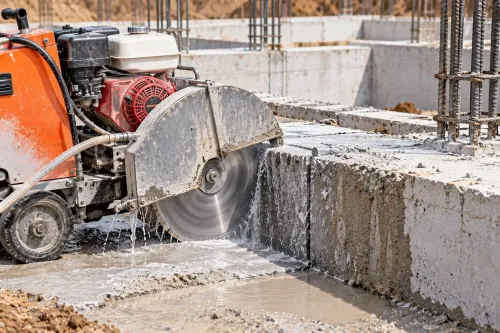
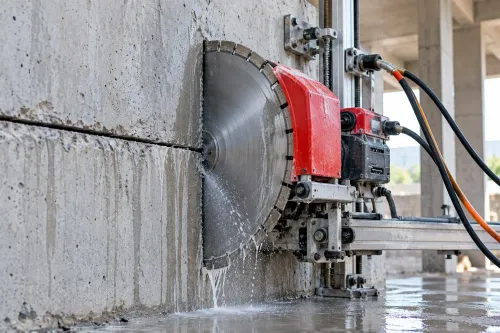
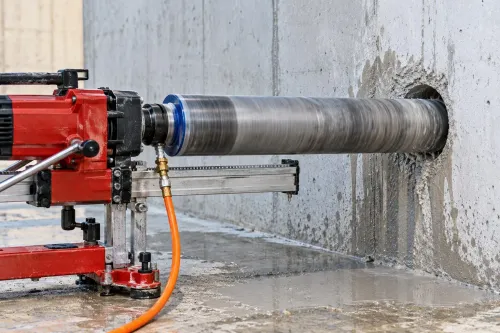
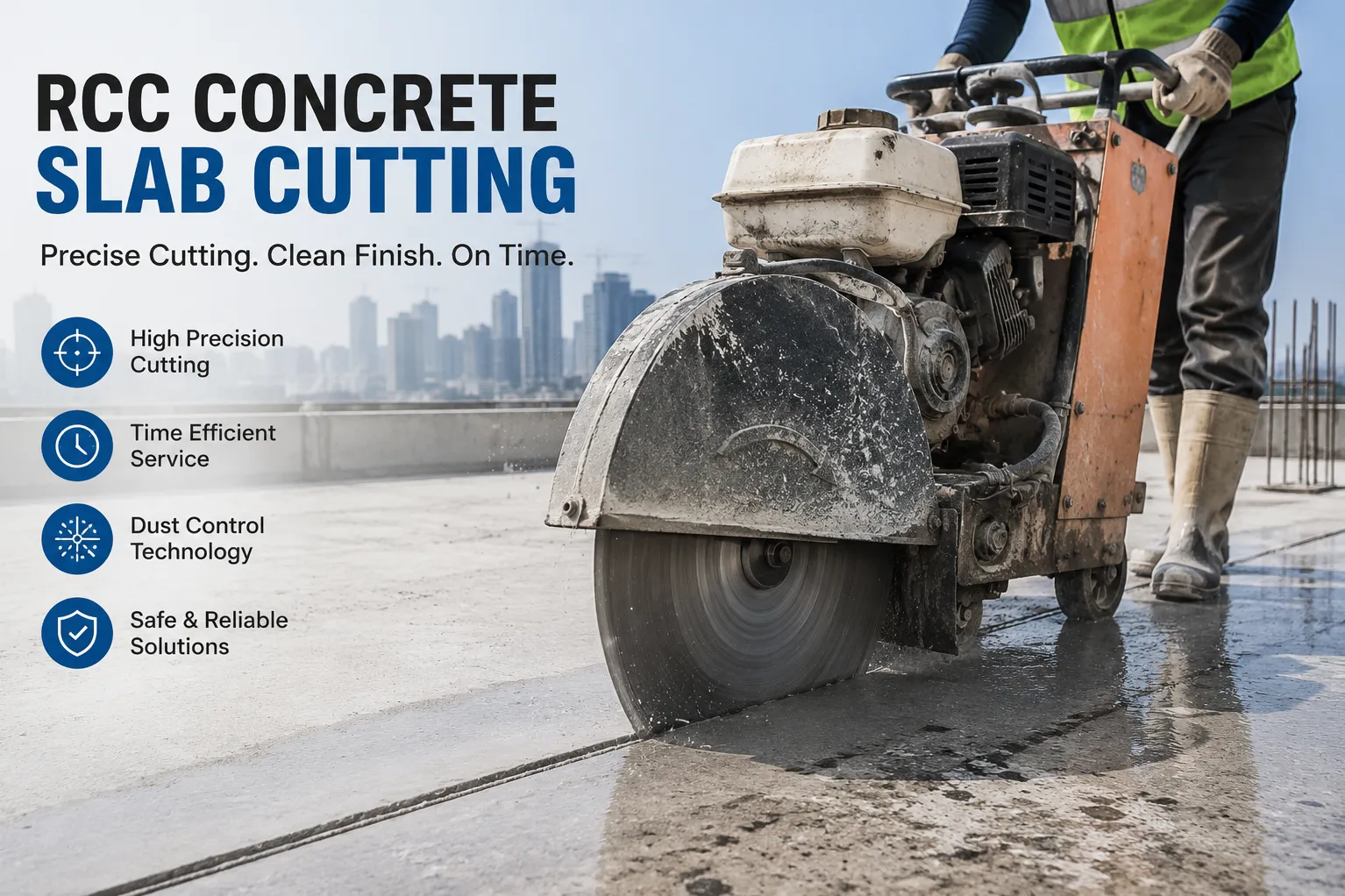
Every slab opening should have clearly defined dimensions and a practical purpose. Small circular penetrations for pipes may be created through core cutting, while larger rectangular openings generally require diamond saw cutting.
The dimensions should account for the final installation, including sleeves, frames, waterproofing and finishing space. Repeatedly enlarging an opening after the first cut increases cost and may interfere with additional reinforcement.
Understand How the Slab Carries Load
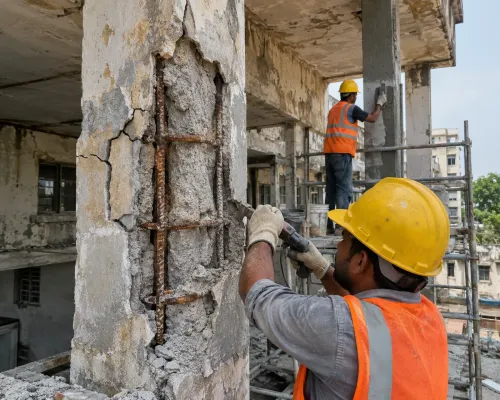
RCC slabs contain steel bars positioned to resist tension and distribute loads. Their direction, spacing and depth vary according to the structural design. Cutting across reinforcement without assessment can change how forces travel through the slab.
Before work begins, the responsible team should review available structural drawings and inspect the area. Reinforcement scanning may help locate embedded steel, post-tensioning elements, electrical conduits and other hidden services.
The review should determine:
- Whether the opening is structurally acceptable
- Which reinforcement bars may be affected
- Whether strengthening is required
- Where temporary supports should be placed
- How the concrete will be divided into removable pieces
- What equipment can access the cutting location
Structural approval becomes especially important for large openings, old buildings and slabs showing visible cracks or deterioration.
Safe Slab Cutting Practices in Nagpur
RCC buildings across Nagpur include independent homes, apartment blocks, commercial premises and industrial facilities. Each setting creates different access and safety challenges. Residential projects may have occupied floors below the work area, while factories may need to protect equipment from slurry and falling debris.
Salasar Demolitions Pvt Ltd plans slab cutting according to the concrete thickness, reinforcement, available access and required finish. Where necessary, temporary props or lifting arrangements are installed before the final cuts separate the slab section.
The work zone below the opening should remain barricaded. Workers must never rely on the concrete section staying in place after its supporting edges have been cut.
Plan the Cutting and Removal Sequence
A large slab area is usually divided into manageable blocks rather than removed as one piece. The weight of each block should be calculated because reinforced concrete is much heavier than it may appear.
A safe sequence typically includes:
- Marking the opening and confirming dimensions
- Scanning for reinforcement and concealed services
- Installing temporary structural supports
- Drilling lifting or handling points when required
- Making controlled perimeter cuts
- Supporting each section before separation
- Lowering or lifting the concrete safely
- Inspecting and finishing the exposed edges
The removed pieces may be handled through chain blocks, cranes, hydraulic equipment or other suitable systems, depending on their location and weight.
Manage Water, Slurry and Noise
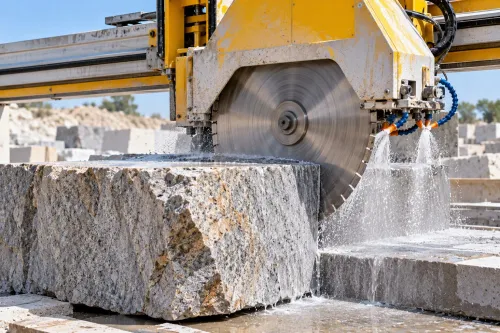
Diamond saws commonly use water for blade cooling and dust suppression. The resulting slurry must be collected before it reaches occupied rooms, electrical installations or drainage lines. Protective sheets, wet vacuums and containment barriers may be used depending on the site.
Noise and access should also be coordinated with building occupants. Scheduling disruptive work during suitable hours reduces inconvenience without compromising the planned sequence.
RCC concrete slab cutting enables major building modifications without removing the entire floor system. Its success depends on structural understanding, precise cutting and safe handling of every separated section. When these elements are addressed before the blade starts, the opening can be created with minimal impact on the surrounding structure.
Keywords